

What is Ear Wax Blockage?
Ear wax blockage happens when too much wax builds up in the ear canal. Normally, ear wax protects the ear by trapping dust and germs. However, sometimes wax gets stuck and causes problems. In many cases, ear wax blockage can lead to hearing loss or discomfort. Because of this, it is important to know the signs and when to seek help. Ear wax blockage is a common reason people visit ear doctors, especially in busy cities and towns.
Common Symptoms of Ear Wax Blockage
Often, ear wax blockage does not cause pain. Still, it can lead to several symptoms. For example, you may notice:
Additionally, some people may have a cough. This happens because the ear and throat nerves are connected. If you notice these ear wax symptoms, you may wonder when to see a doctor for ear wax.
Causes and Risk Factors
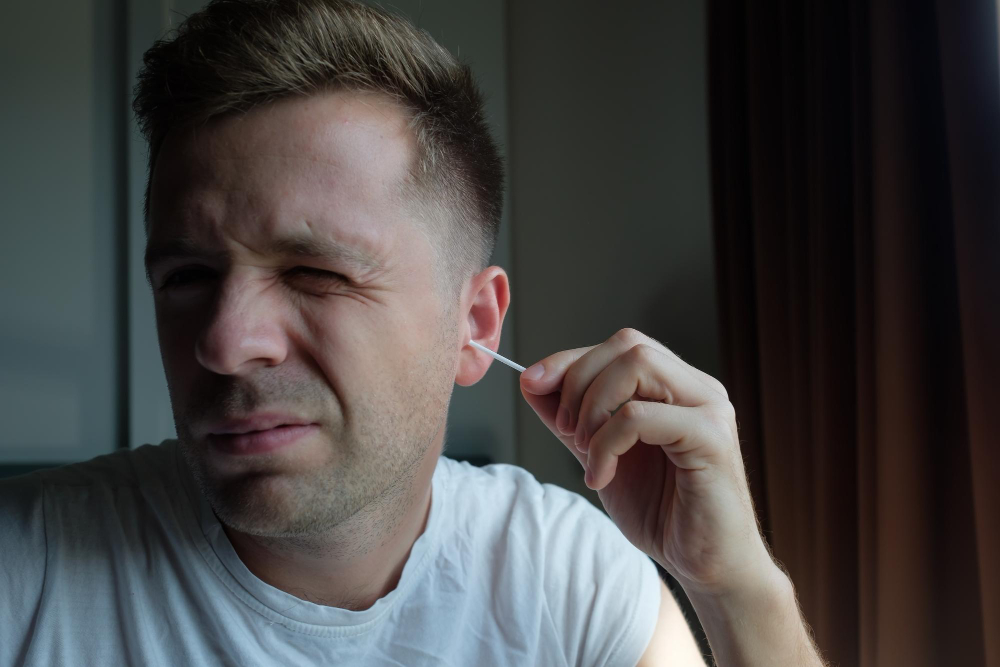
Ear wax forms naturally in the ear canal. Yet, several things can increase the risk of blockage. For instance, using cotton swabs or other objects can push wax deeper. Also, wearing hearing aids or earplugs often can cause buildup. Some people simply make more wax than others. Age can play a role, too. As people get older, ear wax may become harder and drier. In rare cases, narrow or oddly shaped ear canals can make blockage more likely.
When Does Ear Wax Blockage Require Medical Removal?
Most ear wax will clear on its own. However, sometimes you need a doctor’s help. You should seek medical removal if:
Importantly, never try to remove hard or stuck wax with sharp objects. This can hurt your ear or cause infection. If you are unsure, it is best to ask a healthcare provider. In many cities, clinics offer safe ear wax removal by trained professionals.
Diagnosis: How Professionals Identify Ear Wax Blockage
Doctors use a special tool called an otoscope to look inside the ear. With this, they can see if wax is blocking the canal. Sometimes, they may ask about your symptoms and health history. In rare cases, hearing tests may be needed. Because ear wax blockage can look like other ear problems, a professional check is important. This helps rule out infection or injury.
Safe Treatment Options
There are several safe ways to treat ear wax blockage. Doctors may use:
Sometimes, over-the-counter ear drops are helpful. However, not everyone should use them. For example, people with ear tubes, a hole in the eardrum, or past ear surgery should avoid home treatments. If you have questions about safe ear wax removal, ask your doctor first.
Prevention Tips and Home Care Guidance
To help prevent ear wax blockage, follow these tips:
Sometimes, using a few drops of mineral oil or baby oil can help soften wax. But, always check with a healthcare provider before trying new treatments at home. With proper care, most people can avoid serious ear wax symptoms and enjoy healthy ears. Consult at Asmara Clinic.