

Introduction
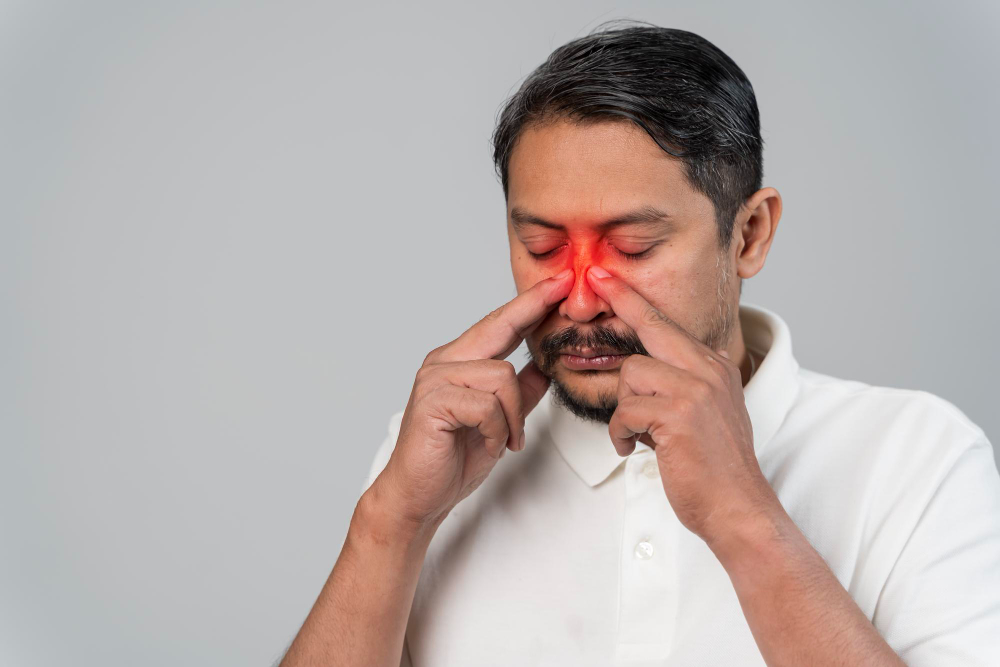
Chronic sinusitis is a long-lasting swelling of the sinuses. Unlike a short-term sinus infection, chronic sinusitis lasts for 12 weeks or more. Many people notice that their symptoms keep coming back, even after treatment. This recurring sinus infection can affect daily life. Understanding why chronic sinusitis returns can help you find better ways to manage it.
Symptoms of Chronic Sinusitis
Chronic sinusitis symptoms often last for months. Sometimes, they seem to improve but then return. Common signs include:
However, not everyone has all these symptoms. If you notice these signs for more than 12 weeks, it may be chronic sinusitis.
Common Causes and Risk Factors
There are several chronic sinusitis causes. Often, more than one factor is involved. For example, allergies can make your nose swell. This swelling blocks the sinuses and leads to infection. Other common causes and risk factors include:
Additionally, some people are more likely to get recurring sinus infections due to family history or certain health conditions.
Diagnosis Methods
Doctors use several methods to diagnose chronic sinusitis. First, they ask about your symptoms and medical history. Next, they may check your nose and throat. Sometimes, they use a thin, flexible tube with a light (endoscope) to look inside your nose. In some cases, a CT scan or MRI helps show the sinuses in detail. Blood tests or allergy tests may also be needed. These steps help find the cause and guide sinusitis treatment options.
Treatment Options
There are many ways to treat chronic sinusitis. Your doctor will choose the best plan for you. Common medical treatments include:
In some cases, surgery may be needed to remove polyps or fix a deviated septum. Besides medical treatments, physiotherapy and rehabilitation can help. For example, steam inhalation and gentle facial massage may ease symptoms. Breathing exercises can also improve airflow and comfort.
Lifestyle Tips for Managing and Preventing Recurrence
While treatment helps, lifestyle changes can lower your risk of future problems. Here are some tips on how to prevent chronic sinusitis:
Moreover, keeping your home clean and dust-free can help reduce triggers.
When to See a Doctor
If your symptoms last more than 12 weeks, you should see a doctor. Also, seek help if you have severe pain, high fever, or vision changes. Early treatment can prevent problems and improve your quality of life. Remember, chronic sinusitis can keep coming back, but with the right care, you can manage it well.
For personalized advice on managing chronic sinusitis, consult a healthcare specialist at Asmara Clinic.