

Introduction
Fungal skin infections in monsoon are common, especially in humid and tropical regions. During the rainy season, the air holds more moisture. As a result, skin stays damp for longer periods. Fungi thrive in warm, wet conditions. Therefore, monsoon skin infections often increase. These infections can affect anyone, but some people are more at risk. Understanding the causes, symptoms, and prevention can help you stay healthy.
Common Causes in Monsoon
Many factors make fungal infections more likely during the rainy season. For example, wet clothes and shoes can trap moisture. In addition, crowded places and shared items can spread fungi. Here are some common causes:
Moreover, people with weak immune systems or diabetes are at higher risk. Children and older adults may also be more prone to these infections.
Symptoms to Watch For
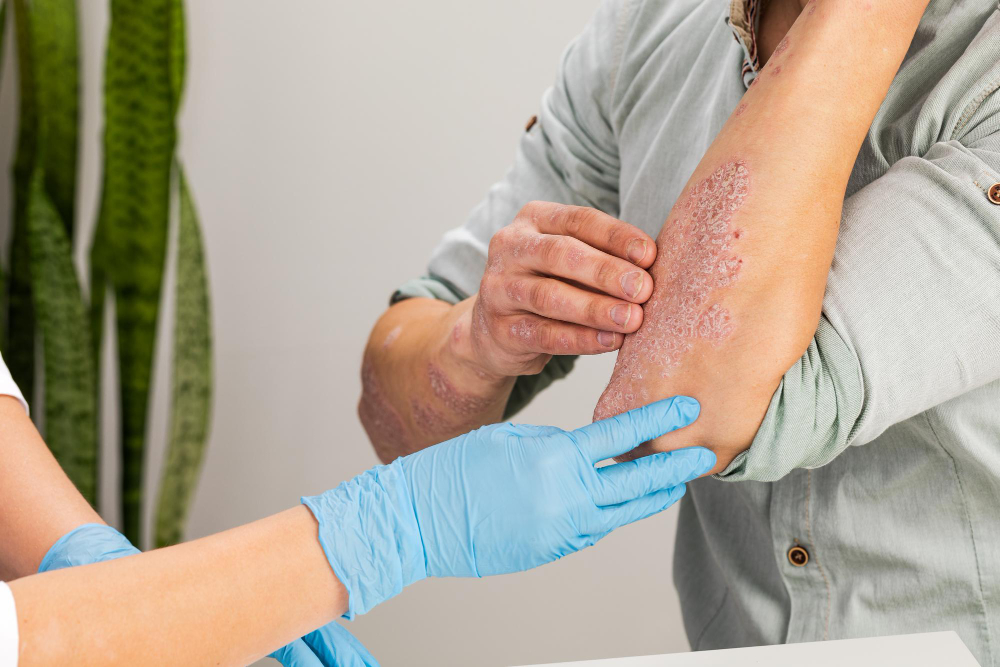
Fungal skin infections can appear in many ways. However, some signs are common. Watch for these symptoms:
Sometimes, the infection may spread if not treated early. Therefore, noticing these signs early can help prevent complications.
Prevention Tips
Fortunately, you can take simple steps to prevent fungal skin infections in monsoon. Here are some helpful tips:
Additionally, keeping your home well-ventilated helps reduce moisture. For those living in humid cities, using a fan or dehumidifier can also help.
When to See a Dermatologist
Sometimes, home care is not enough. If you notice any of the following, it is time to see a dermatologist:
Early medical advice can prevent the infection from getting worse. Moreover, a dermatologist can suggest the right treatment for your skin type.
Conclusion
In summary, fungal skin infections in monsoon are common but preventable. By keeping your skin dry and following simple tips, you can lower your risk. However, if symptoms persist or worsen, consult a dermatologist at Asmara Clinic for expert care. Your skin health matters, so do not ignore early signs. Stay safe and enjoy the rainy season with confidence.