

Introduction
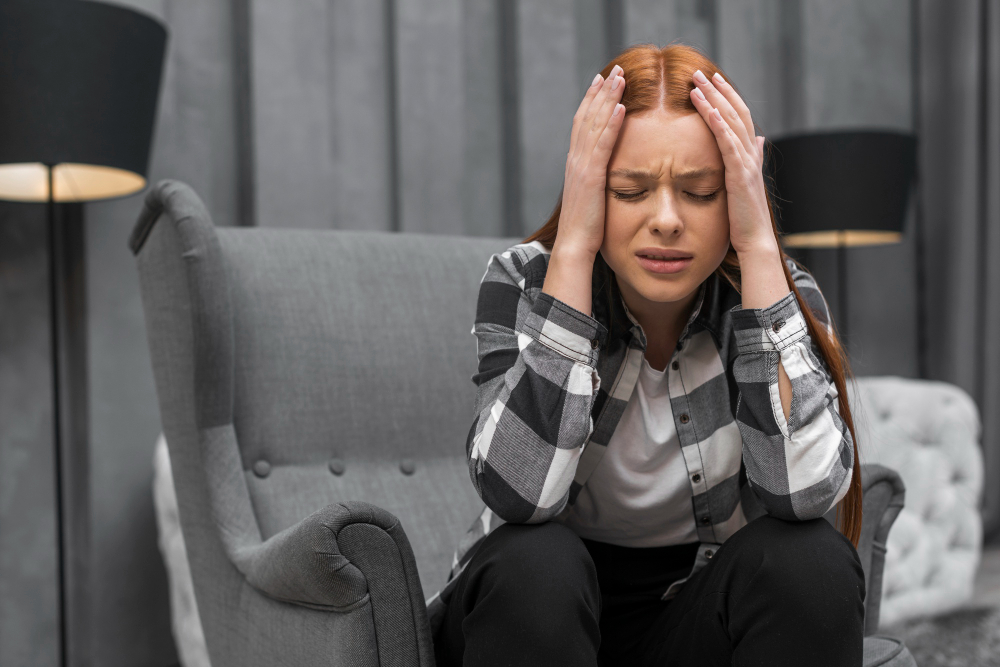
Many people wonder how anxiety impacts physical health and immunity. Anxiety is more than just feeling worried. It can affect your body in many ways. In fact, stress and health risks often go hand in hand. Understanding these effects can help you take better care of yourself.
What Is Anxiety?
Anxiety is a feeling of fear or worry. Sometimes, it is normal to feel anxious before a big event. However, when anxiety lasts a long time or feels too strong, it can harm your health. According to the World Health Organization (WHO), anxiety disorders are among the most common mental health issues worldwide.
Physical Health Effects of Anxiety
Not only does anxiety affect your mind, but it also impacts your body. Here are some ways anxiety effects on body can show up:
For example, when you feel anxious, your body releases stress hormones. These hormones can make your heart beat faster and your muscles tense up. Over time, this can lead to more health problems.
How Anxiety Weakens Immunity
Many people do not realize that anxiety and immune system health are linked. When you feel anxious for a long time, your body stays in a state of stress. As a result, your immune system becomes weaker. This means you may get sick more often.
According to the Centers for Disease Control and Prevention (CDC), chronic stress can lower your body’s ability to fight off infections. For instance, you might catch colds more easily or take longer to recover from illness. In addition, stress and health risks can increase your chances of other diseases.
Recognizing Symptoms
It is important to notice signs that anxiety is affecting your health. Some common symptoms include:
If you notice these symptoms, it may be time to take action. Early steps can help protect your health.
Prevention and Lifestyle Tips
Thankfully, there are ways to lower anxiety and protect your immune system. Try these simple tips:
Moreover, taking breaks and doing things you enjoy can also reduce stress. Small changes can make a big difference over time.
When to Seek Professional Help
Sometimes, anxiety can feel too hard to manage alone. If your symptoms do not improve or get worse, it is important to seek help. For example, if anxiety stops you from doing daily tasks, a healthcare professional can guide you. They may suggest therapy, medication, or other treatments that fit your needs.
In summary, knowing how anxiety impacts physical health and immunity can help you make better choices. Do not wait to get support if you need it.
Consult a healthcare professional at Asmara Clinic for personalized advice on managing anxiety and its effects.