

What Are Nasal Polyps?
Nasal polyps are soft, painless growths inside the nose. They form on the lining of your nasal passages or sinuses. Often, these growths are not cancerous. However, they can cause problems with breathing. Nasal polyps are common and can affect people of all ages. The primary keyword, nasal polyps, is important for understanding your symptoms and treatment options.
Usually, nasal polyps look like small, teardrop-shaped bumps. Sometimes, they grow in groups. As a result, they may block your nose and make it hard to breathe.
Common Symptoms of Nasal Polyps
Many people with nasal polyps do not notice symptoms at first. But as polyps grow, they can cause problems. For example, you may feel like your nose is always blocked. Other symptoms may include:
Sometimes, these symptoms are mild. But in other cases, they can affect your daily life. If you notice these signs, you may want to ask your doctor about nasal polyps symptoms.
Causes and Risk Factors
Nasal polyps develop when the lining of your nose becomes swollen. This swelling can last a long time. Several things can cause or increase your risk of nasal polyps. For instance, you may be more likely to get them if you have:
In addition, family history can play a role. If someone in your family has nasal polyps, you may have a higher risk. Long-term inflammation in the nose is the main cause. According to the CDC, allergies and infections are common triggers.
How Nasal Polyps Are Diagnosed
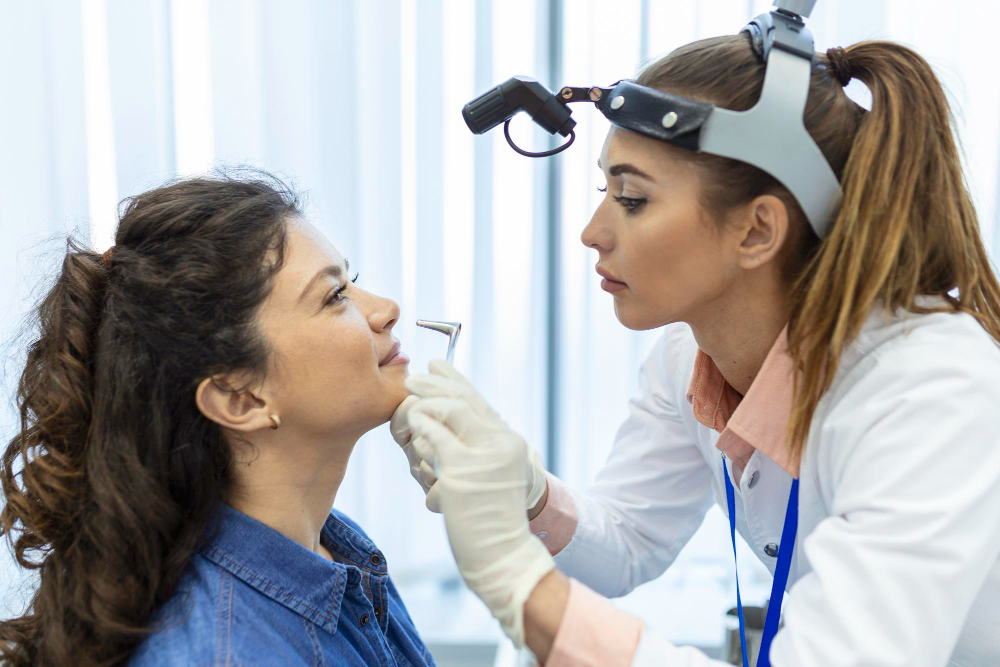
Doctors use several methods to diagnose nasal polyps. First, your doctor will ask about your symptoms. Next, they may look inside your nose using a special light. Sometimes, a small camera called an endoscope helps them see deeper. In some cases, your doctor may order tests, such as:
Early diagnosis helps you get the right treatment for nasal polyps. If you have ongoing symptoms, it is wise to see a doctor for a full checkup.
Treatment Options for Nasal Polyps
There are several treatment options for nasal polyps. Your doctor will choose the best plan based on your symptoms. Common treatments include:
Most people feel better with treatment for nasal polyps. However, polyps can come back. Therefore, regular follow-ups with your doctor are important.
Lifestyle Tips and Prevention
While you cannot always prevent nasal polyps, some steps may help. For example, you can:
By following these tips, you may lower your risk of new polyps. In addition, healthy habits can improve your nose and sinus health.
When to See a Doctor
Sometimes, nasal polyps cause only mild symptoms. But you should see a doctor if you:
Early treatment can prevent problems. If you think you have nasal polyps, do not wait. Instead, talk to a healthcare provider soon.
Consult an ENT specialist at Asmara Clinic for personalized advice on nasal polyps.