

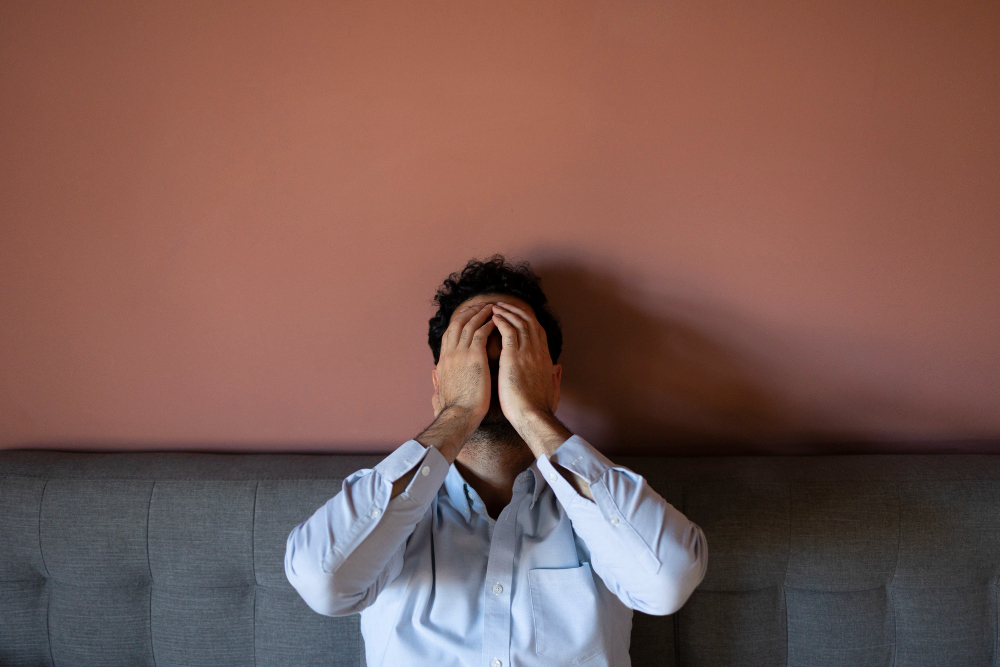
What Is Burnout?
Burnout is a state of extreme physical, mental, and emotional exhaustion. It often happens when you face long-term stress at work, school, or home. Many people feel overwhelmed and unable to meet constant demands. Over time, burnout can affect your health, mood, and daily life. According to the World Health Organization (WHO), burnout is a result of chronic workplace stress that has not been managed well.
Common Symptoms of Burnout
Recognizing burnout early can help you recover faster. Some common signs include:
However, these symptoms can also be linked to other health issues. If you notice several of these signs, it may be time to take action.
Causes and Risk Factors
Burnout can affect anyone, but some factors make it more likely. For example, high workloads, lack of control, and unclear job expectations can increase stress. In addition, poor work-life balance and lack of support also play a role. Some common causes and risk factors include:
Because everyone is different, what causes burnout for one person may not affect another the same way.
How Burnout Is Diagnosed
Doctors and mental health professionals use questions and checklists to diagnose burnout. They may ask about your mood, energy, and work habits. Sometimes, they use tools like the Maslach Burnout Inventory. This helps measure feelings of exhaustion, detachment, and job satisfaction. In some cases, doctors may check for other health problems to rule out similar conditions. Early diagnosis can help you recover from burnout more quickly.
Effective Ways to Recover from Burnout
Recovering from burnout takes time, but there are proven steps you can take. First, recognize the signs and accept that you need a break. Next, try these strategies:
Additionally, consider seeking help from a counselor or therapist. They can guide you through recovery and help you manage stress better.
Lifestyle Tips for Prevention and Recovery
Preventing burnout is easier than treating it. Even small changes can make a big difference. Try these lifestyle tips:
Over time, these habits can lower psychological stress and help you recover from burnout. They also support long-term burnout prevention.
When to Seek Professional Help
Sometimes, self-care is not enough. If your symptoms last for weeks or get worse, it may be time to seek help. For example, if you feel hopeless, have trouble functioning, or think about harming yourself, contact a mental health professional right away. Early support can make recovery easier and prevent further problems.
If you think you may be experiencing burnout, consult a mental health professional at Asmara Clinic for personalized support and recovery strategies.